[email protected] ♦ (+65) 6293 9249 ♦ Mon - Sun : 10:00AM - 7:00PM

Tips On Expelling Wind From Your Body After Baby Delivery

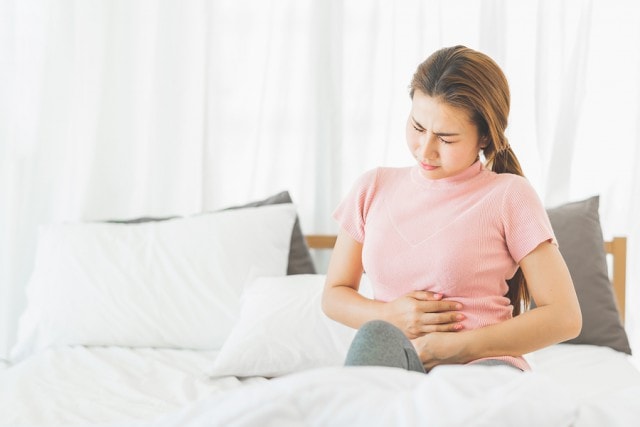
The cycle of life is long and takes us through many stages; infancy, childhood, teenagehood, adulthood, old age and eventually death. The amount of care you require differs from stage to stage because of your autonomy to think and make decisions for yourself. Without a doubt, the first and last stages of life are the ones that require the most care, and you become dependent on other people, most likely family members. Mothers go through a lot when they give birth, and you become the primary caregiver for your baby. Mothers also go through a lot of struggle during and after their pregnancy period and require assistance. One of the issues that they go through is the passing of gas from the body after giving birth, which is normal but can become quite embarrassing at times.
In this article, we will take you through ways mothers can deal with their gas problems effortlessly.
Garlic
In the Chinese confinement period practices, garlic is one of the crucial components of food fed to the mother. Garlic helps in the digestion process, and you can include it in many meals like stews and rice. You can also use spices like nutmeg, coriander, and ginger in powdered form in your meals to help digestion.
Herbal Tea
Tea made out of fennel seeds help the mother reduce cramping of the muscles and spasmodic episodes associated with new mothers. It is also useful in promoting the appetite of the mother, and you can also feed it to the baby in case of stomach pain and relief from colic. Alternatively, postpartum mothers are advice to consume plenty of red dates tea instead of plain water to prevent abdominal swelling.
Avoid Cold Food
One of the reasons that most confinement periods take place in the presence of a helper such as a mother or a nanny is so that food will always be fresh for the mother. To reduce gas from the mother’s body, the mother must avoid any cold food and avert refrigerated food for the entire confinement period.
Carom Seeds
Carom seeds help a lot in relieving stomach pain for the mother and expelling gas from the stomach after delivery. Acidity and constipation also have a remedy in carom seeds and help you to keep specific organs like the liver and kidney in top-notch condition.
Eating Habits
As a new mother, it is essential that you establish and maintain a regular healthy eating pattern for yourself and your baby. Try to chew and swallow slowly to avoid ingesting too much air while still eating. If you have to take a heavy meal, it is best to take it in the early afternoon, when your digestive enzymes are at their peak. Avoid overeating also because your stomach can only hold a certain amount and excess will hinder digestion.
Exercise
In the case of vaginal birth, it is encouraged to lie on your stomach to help push out the gas from your stomach. You can also use a postpartum belt that goes around your tummy to help with compressing your belly. You can practice the Kegels exercise that also helps to expel gas from your stomach and still improve your bladder control and tighten your vaginal muscles. Other than that, new mothers should only perform easy and simple exercises such as yoga or brisk walking that can help to ease your mind and body.
Medication
When you try all the natural methods, and you still have a problem with gas, you can try going for a medicated solution. Some drugs help in the digestive process and prevent constipation that will improve your gut health and still help with the gas.
Avoid Straws
You can also effectively minimize the amount of air you take in through the mouth by avoiding certain things like using straws and chewing gum. Avoid smoking and taking a lot of candy to limit the amount of gas you let into your body through your mouth.
Avoid Certain Foods
You know those foods that cause you to get gassy on regular days; beans, whole grains, beer and dairy products. Your intake for those food items should be minimal together with your consumption of fatty, fried food. You should also moderate the use of fiber-rich foods. Come up with a suitable confinement food menu to help you prevent constipation.
The above are simple steps you can take to help deal with your gas problems that expectedly come with a newborn. Remember to always consult a physician before making changes to your body while you are still breastfeeding or in your confinement period. If you choose Indian or Chinese confinement Singapore practices, you will minimise your gas issues.
You May Also Read this : Light Exercises During Your Confinement Period