[email protected] ♦ (+65) 6293 9249 ♦ Mon - Sun : 10:00AM - 7:00PM

Debunking Myths About Common Confinement Practices

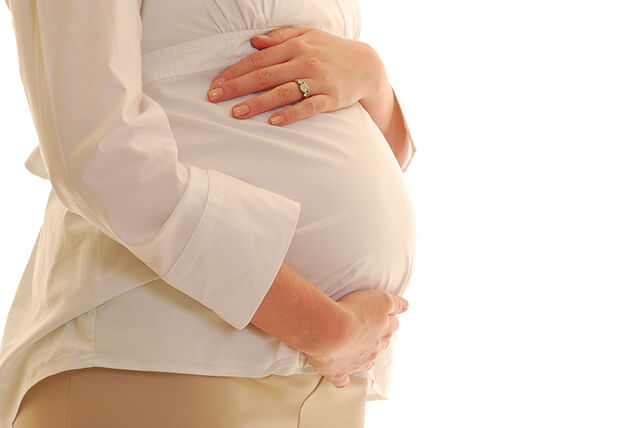
The importance of a confinement period cannot be emphasized enough. A woman loses a large volume of blood while giving birth to a baby, this will put her body in a cold state. This is, in fact, the reason behind recommending the month-long confinement period for a woman. During this period, the women are supposed to rest, eat and bond with the baby.
However, having said that, there is a lot of myths regarding the confinement period as well. But make sure you don’t just take in these facts blindly without confirming the facts first. In this article, we will be debunking a couple of myths regarding confinement practices.
Do Not Drink Plain Water
This myth comes from the fact that some people believe that drinking plain water will cause water retention, leading the body to cool down further down.
The truth, however, is totally different. Drinking plain water causes no harm to the body. In fact, a new mother needs to drink more water than they usually do because they sweat profusely due to the hormonal changes, thus, to avoid dehydration, drinking water is recommended. But, one thing to remember is to drink warm water instead of cold.
Drinking alcohol is encouraged
Though drinking alcohol will help to boost the circulation of the blood, thus warming up the mother’s bodies, but it is definitely not recommended for you to do so when you’re in your confinement period. The reason is that alcohol can pass on to the baby via breast milk and that will be very dangerous for your newborn.
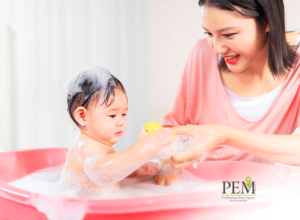
Do not wash your hair or even shower
According to certain beliefs, contact with the water will allow wind to enter the body, leading to headaches and rheumatism later in life. The reality, however, is that normal bathing habits should be continued at all times.
Just make sure that you avoid bathing with cold water. Bathing regularly will prevent skin infections and heal wounds quickly.
Consume herbal supplements
Although there is no harm in consuming herbal supplements, it is better to get a recommendation from the doctor as the body profile of each woman is different from the other.
However, all new mothers should avoid foods that have cooling effects. Consuming such foods will increase the risk of causing damage to the spleen and stomach.
Do not cry or read
It is thought that childbirth weakens the liver and is directly linked to one’s eyes. Henceforth, the myth that one should avoid straining their eyes by crying or reading started. Otherwise, the mother might experience eye-related problems in the future.
It is true that during childbirth, a lot of blood is lost which may weaken the eyes as blood is directly related to the liver, henceforth associated with our eyes. However, the myth still remains inaccurate as there is no scientific basis related to it.
Wear warm clothes and avoid AC’s
Just like what was mentioned above, cool air allows “wind” to enter the body and may lead to worrying health problems in the future. But this is not true, in fact the new should do whatever that makes her comfortable.
When it is hot and stuffy, it calls for some ventilation whether it is a fan or air-conditioner. What’s more, it may even be crucial for preventing heat rash. Just take note to not let any of the two blow directly on her.
Closing words
A new mother always needs help to complete their household chores. If you are looking for help, hire a Singaporean confinement nanny from a reputable confinement nanny agency and let them take care of your home, while you rest and bond with the baby. You could read about which confinement agencies are good by going through confinement agency review testimonials like the ones we have on our site and see what other mummies are saying!
You May Also Read this : Can Pre-Natal Massages Ease The Pain Of Giving Birth?