sales@pemconfinement.com ♦ (+65) 6293 9249 ♦ Mon - Sun : 10:00AM - 7:00PM

Confinement Self-Care Practises That All Mothers Should Try

Our babies are our world. This is what all mothers feel, and their actions show it. However, while our newborns need us, so do we. Giving birth does not mean giving up on yourself. In fact, practising proper confinement self-care is all the more important during the postpartum period. It is not wrong to put your baby first, as you want the best care for him, and who else to give him that but you?
But do not forget to take care of yourself. You need to be in tiptop condition in order to do your best as a mother. So, the key is finding a balance between motherhood and yourself – that is, self-care – and it should start as soon as your confinement begins, as it is a crucial and sensitive period for both body and mind.
Why Is Self-Care Important During Confinement?
After giving birth, a mother’s body and emotions go through many changes. During confinement, it is important for mums to rest, recover, and take care of themselves while caring for their baby.
Body Recovery After Childbirth
Pregnancy and delivery can make the body feel tired and weak. Some mums may also experience pain, swelling, bleeding, or soreness after birth. Proper rest and nutrition during confinement can help the body recover better.
Hormonal Changes And Emotional Adjustments
After childbirth, hormone changes may affect a mother’s mood and emotions. At the same time, adjusting to a new routine and caring for a newborn can feel stressful or overwhelming for some mums.
Sleep Deprivation And Fatigue
Newborn babies often wake up many times during the night for feeding and diaper changes. This can cause mums to feel very tired and sleep-deprived during the postpartum period.
Importance Of Allowing The Body Time To Heal
Every mother recovers at a different pace. Some mums may need more time to heal, especially after a C-section. Instead of rushing recovery, it is important to rest and let the body recover slowly.
How Self-Care May Help Improve Postpartum Wellbeing
Practising self-care during confinement may help mums:
- Feel more rested
- Reduce stress and tiredness
- Recover more comfortably
- Improve emotional wellbeing
- Adjust better to motherhood
Taking care of yourself is also an important part of taking care of your baby.
Simple Self-Care Practices During Confinement
1. Prioritise Rest And Sleep
One of the most important self-care practices during confinement is getting enough rest. After childbirth, the body needs time to recover and regain strength. However, newborn babies often wake up throughout the night for feeding and diaper changes, causing many mums to feel tired and sleep-deprived.
Whenever possible, try to:
- Sleep when your baby sleeps
- Take short naps during the day
- Avoid doing heavy house chores
- Let your partner, family members, or confinement nanny help
Getting more rest may help improve recovery, reduce stress, and support emotional wellbeing during the postpartum period.
2. Nourish Your Body With Proper Confinement Meals
Eating nutritious meals is also an important part of postpartum self-care. After childbirth, the body needs proper nutrients to recover and restore energy.
Many confinement meals include warm and nourishing ingredients that may help support recovery and breastfeeding. It is also important for mums to stay hydrated, especially if they are breastfeeding.
A balanced postpartum diet may help:
- Restore energy levels
- Support body recovery
- Promote breastfeeding
- Reduce tiredness during confinement
3. Accept Help And Support

Many new mums feel like they need to do everything on their own, but postpartum recovery can be physically and emotionally tiring. Asking for help does not make you weak.
Allowing your partner, family members, or confinement support to assist with baby care, meals, or household chores can help reduce stress and give mums more time to recover properly.
4. Pay Attention To Your Emotional Wellbeing
It is normal for mothers to feel emotional or overwhelmed after giving birth. Hormonal changes, lack of sleep, and adjusting to a new routine can affect emotional wellbeing during confinement.
Some simple ways to care for your mental wellbeing include:
- Talking to loved ones
- Taking short breaks to relax
- Getting fresh air
- Avoiding too much pressure on yourself
Remember, mothers need care and support too during the postpartum journey.
5. Practise Gentle Movement When Ready
Although rest is important during confinement, gentle movement may also help support postpartum recovery once your doctor says it is safe.
Light postpartum exercises may help:
- Improve blood circulation
- Reduce body stiffness
- Boost energy and mood
- Support muscle recovery
Some gentle activities mums can try include:
- Short walks
- Light stretching
- Pelvic floor exercises
- Simple breathing exercises
However, every mother’s recovery journey is different. It is important not to rush into intense workouts too soon, especially after a C-section.
6. Maintain Simple Personal Care Habits
During confinement, many mums focus so much on caring for their baby that they forget to care for themselves too. However, simple personal care habits may help mothers feel more refreshed and comfortable during postpartum recovery.
Some simple self-care habits include:
- Taking warm showers
- Changing into comfortable clothes
- Following basic skincare and hygiene routines
- Drinking enough water
- Taking short breaks to relax
Even small self-care routines can help improve mood and emotional wellbeing during confinement.
7. Set Healthy Boundaries During Confinement
After childbirth, many family members and friends may want to visit the baby. While support is important, too many visitors can sometimes make mothers feel tired or overwhelmed.
Setting healthy boundaries during confinement may help mums:
- Get more rest
- Reduce stress and exhaustion
- Protect bonding time with the baby
- Recover more comfortably
It is okay for mothers to prioritise their recovery and limit visitors when needed.
8. Avoid Comparing Your Recovery Journey
Every mother’s postpartum recovery journey is different. Some mums may recover faster, while others may need more time to heal physically and emotionally.
Social media and “bounce back” culture can sometimes create unrealistic expectations for new mums. However, postpartum recovery should not be rushed.
Instead of comparing yourself to others, focus on:
- Resting properly
- Healing at your own pace
- Building healthy routines gradually
- Taking care of your physical and emotional wellbeing
Remember, recovery takes time, and every small step matters.
How Confinement Support Can Help Mothers Practise Better Self-Care
Many mums find it difficult to fully rest during confinement because they are busy managing baby care, meals, and household responsibilities. This is why confinement support can be helpful during postpartum recovery.
Confinement nannies or postpartum support services may assist with:
- Day & night baby care
- Meal preparation
- Breastfeeding support
- Light household chores
- Allowing mums more time to rest and recover
With proper support, mothers may feel less overwhelmed and more supported during the postpartum journey.
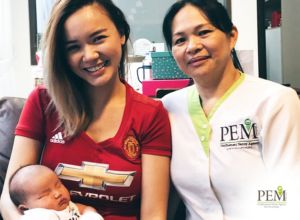
At PEM confinement nanny agency, with over 550 experienced confinement nannies provide support for mothers during confinement, helping families manage newborn care while allowing mums to focus on recovery and bonding with their baby.
Conclusion
Confinement self-care practises are not selfish during postpartum recovery. After childbirth, mothers also need time, rest, and support to recover physically and emotionally.
Simple daily self-care practices such as getting enough rest, eating nourishing meals, allowing yourself to receive help, and caring for your emotional wellbeing may make a big difference during confinement.
Most importantly, mothers should remember that recovery takes time, and it is okay to heal at their own pace.
For mums who need extra support during confinement, services such as PEM Confinement Nanny Agency can help ease the postpartum journey by providing experienced confinement care and support at home
Frequently Asked Questions
Is it normal to feel emotional after giving birth?
Yes. Hormonal changes, lack of sleep, and adjusting to motherhood may cause emotional ups and downs after childbirth.
When can I start exercising after childbirth?
Mums may start gentle exercises after getting approval from their doctor. Recovery timing is different for every mother.
Why is rest important during confinement?
Rest allows the body time to recover and regain strength after pregnancy and delivery.
Can confinement support help mothers recover better?
Yes. Confinement lady services in Singapore may help reduce stress and allow mums more time to rest and recover.
Is every mother’s postpartum recovery journey the same?
No. Every mother recovers differently depending on her body, delivery method, and overall health.